
What Makes a Traditional Mexican Taco Authentic
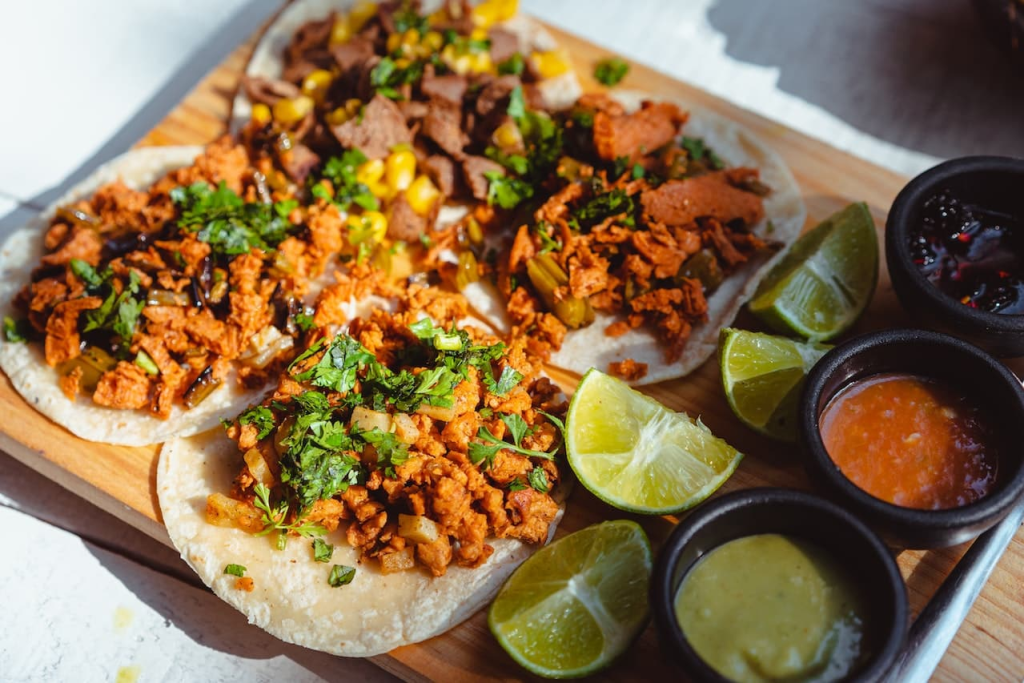
The global popularity of Mexican cuisine has led to the ubiquitous presence of the taco. Yet as it travels across borders, the line between true culinary heritage and commercialized imitation often becomes blurred. For the discerning foodie community, distinguishing between a “taco-style” snack and a genuine expression of Mexican culture requires understanding the standards that define an authentic Mexican taco.
The Foundation: The Tortilla and Simplicity
The first marker of authenticity is the tortilla itself. A real taco uses nixtamalized corn, a traditional process that releases the grain’s nutritional value and creates an earthy aroma. Unlike flour tortillas, which are common in Tex-Mex cuisine, corn tortillas provide a sturdy yet flexible base that complements rather than overpowers the filling.
Equally important is the philosophy of simplicity. In Mexican street food culture, garnishes are minimalist: freshly chopped cilantro, white onion, and a squeeze of lime. This “holy trinity” serves a functional purpose by cutting through the richness of proteins without masking their seasoning.
Traditional Proteins and Regional Techniques
Authenticity is deeply tied to how the meat is prepared. A truly Mexican taco utilizes cuts that require specific, often time-consuming techniques. For instance:
- Al Pastor: Requires the vertical roasting method (trompo), influenced by Lebanese immigrants but perfected with Mexican achiote and pineapple.
- Slow-Cooked Meats: Cuts like lengua (tongue), suadero (confit-style beef), or cachete (cheek) demand hours of preparation to achieve a melt-in-your-mouth texture.
- Birria: This slow-stewed beef, traditionally served with its own consomé for dipping, represents the communal and celebratory nature of Mexican dining.
Texture and Structural Integrity
Beyond the choice of meat, the authenticity of a taco is defined by the interaction between temperature and texture. A true taco must achieve a delicate balance where the tortilla is warm and pliable enough to hold the juices of the protein without breaking.
This structural integrity is a hallmark of proper technique; it ensures that the bite remains cohesive, allowing the flavors of the seasoned meat to lead the experience. In traditional settings, the focus is never on adding excessive layers, but on perfecting the marriage between the grain and the filling.
Heritage Over Trends: The Cultural Bridge
Ultimately, what defines a taco is respect for traditional methods rather than chasing fleeting culinary trends. Authenticity lies in balanced seasoning, a warm and flexible tortilla, and toppings that enhance rather than dominate the main ingredient.
By prioritizing heritage over trends, places like Tacos La Potranca demonstrate how traditional taco preparation can be preserved and shared beyond regional borders, offering an educational glimpse into what a truly authentic Mexican taco represents.