Natural Candy Color for sweets that look more real
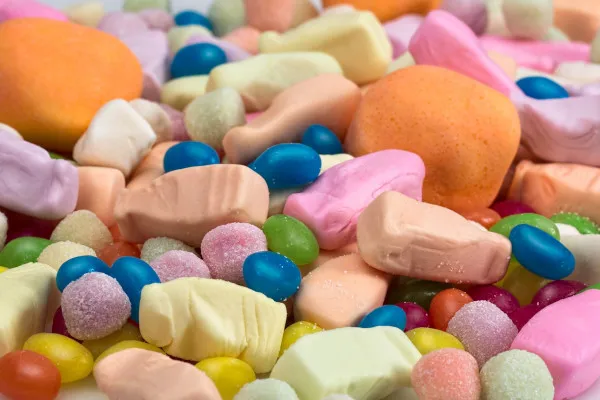
Candy gets judged fast, probably faster than most foods do. Nobody opens a pack and starts by thinking about texture or shelf stability first. They look at the color. If it feels too bright, too shiny, or just weirdly loud, the whole product can seem less appealing right away. That is why Natural Candy Color matters more now than it did before. It helps brands create sweets that still look fun, but do not feel so artificial that the second someone sees them.
Bright candy still needs some visual balance.
There is nothing wrong with colorful sweets, obviously. Candy should look playful, cheerful, and a little exciting. Still, there is a difference between lively color and color that feels harsh. A softer red, yellow, or purple can sometimes make the product look better, not weaker. That is where candy food coloring becomes a real product decision instead of a decorative extra. The goal is not always the loudest shade. A lot of the time, the goal is simply getting the right one.
Source matters when the label gets noticed.
People read packaging more closely now, even with small things like candy. They may not study every ingredient with total focus, but they still react to names that sound familiar or unfamiliar. That changes how brands think about color choices. Natural Candy Color fits this shift because it connects appearance with label comfort in a way older synthetic options often do not. The candy still needs to look attractive, yes, though the ingredient story now matters almost as much as the final shade.
Color has to survive real processing, too.
This part gets ignored until production starts acting up. A color may look perfect during a small trial, then behave differently after heat, moisture, sugar levels, or storage conditions get involved. Candy can be tricky like that. Hard sweets, gummies, jellies, and coated pieces all handle color in their own way. Good candy food coloring has to perform in the actual product, not just in a sample cup or sales sheet. That is where testing starts becoming more important than marketing words.
Not every candy needs dramatic shades anymore.
There was a time when super-bright sweets felt like the default choice for almost everything. That still works in some categories, but it is not the only way now. Softer colors can make a candy line feel a little more premium, cleaner, or just easier on the eye. Natural Candy Color works well in that kind of product direction because it often gives shades that look lively without crossing into fake-looking territory. That small difference can change how the whole product feels.
Consistency matters more than the first sample.
A single beautiful batch does not mean much if the next production run looks duller or stronger for no clear reason. Candy brands need visual repeatability because customers notice small changes very quickly. They may not say it out loud, but they still react to it. Reliable candy food coloring helps keep that visual identity steady across runs, seasons, and packaging formats. The right color system should support the brand quietly, without creating unnecessary correction work every time a batch is made.
Conclusion
Candy color should do more than make sweets look bright because it also shapes first impressions, label comfort, and product identity in a very direct way. At foodrgb.com, brands can explore ingredient options with more focus on practical use, stable color performance, and shades that suit modern candy categories. The Natural Candy Color assists in making sweets that can still be fun and yet be more balanced and lifelike to modern customers. Good candy food coloring options also contribute to consistency in regards to products and batches. Review your formulation and select color solutions that literally suit your candy line and candy brand objectives.