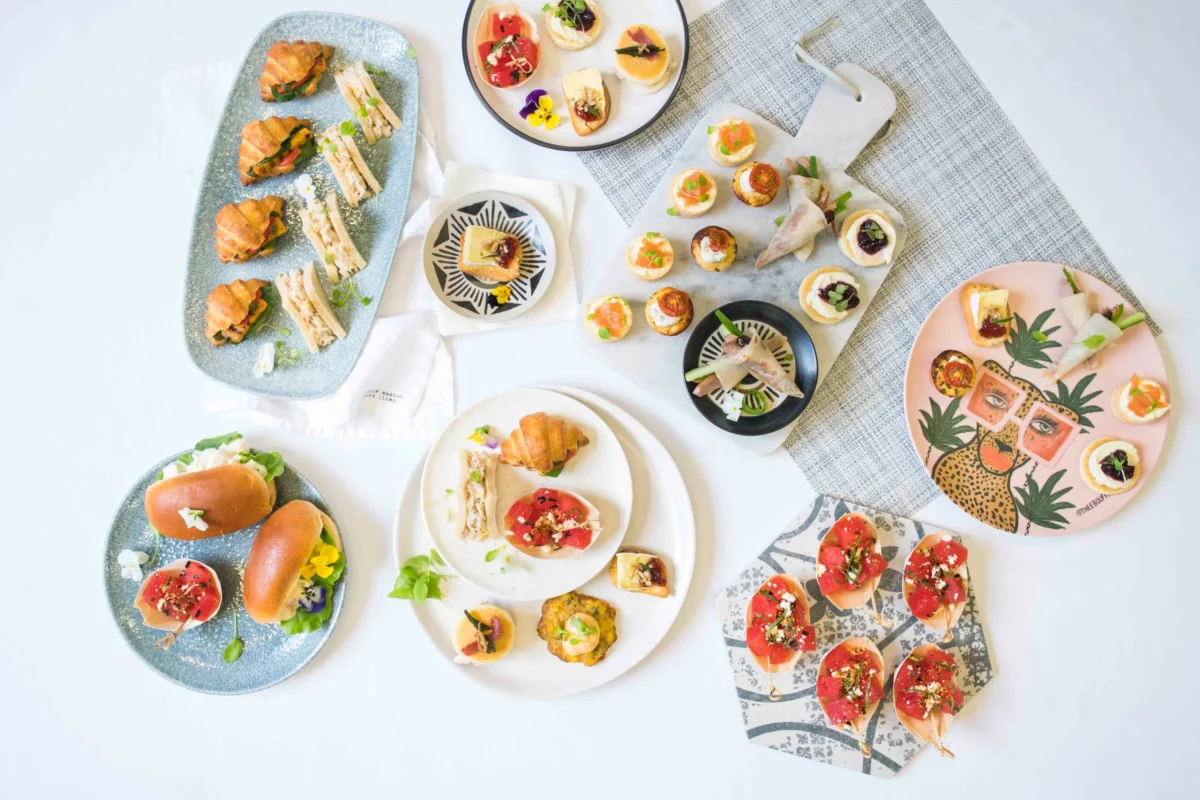
The Rainbow Plate: A Vibrant Journey to Healthy Eating

The Rainbow Plate: A Vibrant Journey to Healthy Eating
Imagine sitting down to a meal where every bite is a burst of color, flavor, and nutrition. This isn’t just a feast for the eyes—it’s a celebration of health, vitality, and balanced living. Welcome to the world of the Rainbow Plate, a simple yet powerful concept that transforms the way we approach food. By filling our plates with a diverse array of colorful fruits and vegetables, we unlock a treasure trove of nutrients that support our bodies in countless ways. Whether you’re a seasoned health enthusiast or just beginning your wellness journey, the Rainbow Plate offers a delicious and accessible path to better nutrition.
The Science Behind the Colors
Each color in fruits and vegetables represents a unique set of phytonutrients—natural compounds that play a crucial role in preventing disease and promoting overall health. These phytonutrients are not just beneficial; they are essential for maintaining optimal bodily functions. For instance, red foods like tomatoes and strawberries are rich in lycopene, a powerful antioxidant that supports heart health and may reduce the risk of certain cancers. Meanwhile, orange and yellow foods, such as carrots and oranges, are packed with beta-carotene, which the body converts into vitamin A, essential for good vision and immune function.
Green vegetables like spinach and broccoli are loaded with chlorophyll, fiber, and vitamins K and C, which contribute to strong bones and a healthy gut. Blue and purple foods, including blueberries and eggplants, contain anthocyanins, compounds known for their anti-inflammatory properties and potential to improve brain health. White foods, often overlooked, such as garlic and onions, offer their own benefits with compounds like allicin, which may boost the immune system and have antibacterial effects. By incorporating a variety of colors into your diet, you ensure a well-rounded intake of these vital nutrients.
Why the Rainbow Plate Matters
The Rainbow Plate isn’t just about aesthetics; it’s a practical and effective strategy for achieving balanced nutrition. Many people struggle with monotonous diets that lack essential vitamins and minerals, leading to deficiencies and health issues over time. The Rainbow Plate addresses this by encouraging diversity, making it easier to meet daily nutrient requirements without relying on supplements. Research has shown that diets rich in a variety of plant-based foods are linked to lower risks of chronic diseases, including heart disease, diabetes, and obesity. Additionally, eating a rainbow of foods supports gut health by promoting a diverse microbiome, which is increasingly recognized as a cornerstone of overall wellness.
Beyond the physical benefits, the Rainbow Plate can also enhance the enjoyment of meals. When food is visually appealing, it stimulates our senses and makes eating a more satisfying experience. This can be particularly helpful for individuals who struggle with picky eating or have a limited appetite. By making meals colorful and engaging, the Rainbow Plate turns healthy eating into a fun and creative endeavor rather than a chore. It’s a reminder that nutrition doesn’t have to be bland or restrictive—it can be vibrant, delicious, and tailored to individual tastes.
How to Build Your Rainbow Plate
Creating a Rainbow Plate is easier than you might think. The key is to focus on incorporating as many colors as possible into each meal. Start by familiarizing yourself with the different color groups and their benefits, then experiment with combining them in your favorite dishes. Here’s a simple guide to help you get started:
- Red: Tomatoes, strawberries, red bell peppers, apples, cherries, beets, pomegranates
- Orange/Yellow: Carrots, oranges, sweet potatoes, mangoes, pineapples, yellow squash, corn
- Green: Spinach, broccoli, kale, cucumbers, green beans, avocados, zucchini, peas
- Blue/Purple: Blueberries, blackberries, eggplants, purple cabbage, plums, grapes
- White: Onions, garlic, cauliflower, mushrooms, parsnips, bananas, potatoes
Begin by selecting one or two items from each color group to include in your meal. For example, a breakfast bowl might feature red strawberries, orange mango, green spinach, blue blueberries, and white yogurt. For lunch or dinner, a stir-fry with red bell peppers, orange carrots, green broccoli, purple cabbage, and white tofu creates a visually stunning and nutrient-packed dish. Don’t forget to consider herbs and spices, which can add additional layers of flavor and color to your meals. Fresh herbs like cilantro, parsley, and basil can brighten up any plate, while spices like turmeric, paprika, and cumin can enhance both taste and nutritional value.
Tips for Success
Transitioning to a Rainbow Plate doesn’t have to be overwhelming. Start small by adding one new colorful food to your plate each week. This gradual approach makes it easier to adapt to new flavors and textures without feeling pressured. Keep a food diary or use an app to track the colors you’re consuming, which can help you stay accountable and motivated. Meal prepping can also be a game-changer, allowing you to portion out colorful foods in advance and ensure variety throughout the week.
Another helpful tip is to shop seasonally. Seasonal fruits and vegetables are not only fresher and more flavorful but also often more affordable. Visit local farmers’ markets or join a community-supported agriculture (CSA) program to discover new produce and support sustainable farming practices. If you’re unsure where to start, look for recipe inspiration online or in cookbooks that emphasize plant-based, colorful meals. Many traditional cuisines, such as Mediterranean, Asian, and Latin American, naturally incorporate a wide range of colors in their dishes, making them excellent sources of inspiration.
Overcoming Common Challenges
One of the most common challenges people face when adopting the Rainbow Plate is time constraints. Preparing fresh, colorful meals can seem daunting when life gets busy. However, there are plenty of quick and easy ways to incorporate the Rainbow Plate into a hectic schedule. Opt for pre-cut or frozen vegetables, which are just as nutritious and require minimal preparation. Smoothies are another excellent option, allowing you to blend a variety of fruits and vegetables into a convenient and delicious drink. Canned beans, lentils, and chickpeas are also great additions, offering both color and protein with little effort.
Cost can also be a concern, especially for those on a tight budget. To make the Rainbow Plate more affordable, focus on buying frozen or canned produce, which is often cheaper and has a longer shelf life. Buying in bulk and choosing store-brand options can also help reduce expenses. Additionally, don’t overlook the value of frozen fruits and vegetables, which are typically frozen at peak ripeness and retain their nutritional value. Another strategy is to prioritize the most nutrient-dense foods, such as leafy greens and berries, and use them as the foundation of your meals rather than relying on expensive superfoods.
Making It a Family Affair
Introducing the Rainbow Plate to your family can be a fun and rewarding experience. Start by involving everyone in the meal-planning process, allowing each family member to choose a colorful ingredient they’d like to try. Turn grocery shopping into a game by challenging kids to find fruits or vegetables in each color category. At mealtime, make the Rainbow Plate a visual experience by arranging foods in a rainbow pattern on the plate. This not only makes the meal more appealing but also encourages children to explore new foods without pressure.
For picky eaters, try sneaking in colorful foods by blending them into sauces, soups, or baked goods. For example, pureed spinach or beets can be added to pasta sauce, while mashed cauliflower can be mixed into mashed potatoes. Involve kids in the cooking process as well, as they’re more likely to try foods they’ve helped prepare. Praise their efforts and celebrate small victories, like trying a new vegetable or eating a full rainbow-colored meal. Over time, these experiences can help build a positive relationship with food and foster lifelong healthy eating habits.
Final Thoughts: A Colorful Path to Wellness
The Rainbow Plate is more than just a dietary trend—it’s a holistic approach to eating that celebrates diversity, flavor, and nourishment. By embracing the vibrant spectrum of fruits and vegetables, you’re not only fueling your body with essential nutrients but also cultivating a deeper appreciation for the foods you eat. Whether you’re looking to improve your health, expand your culinary horizons, or simply enjoy meals that are as beautiful as they are delicious, the Rainbow Plate offers a joyful and sustainable path forward.
Start small, stay curious, and let your plate be your guide. Every color is an opportunity to nourish your body and delight your senses. Here’s to a lifetime of vibrant, healthy eating!