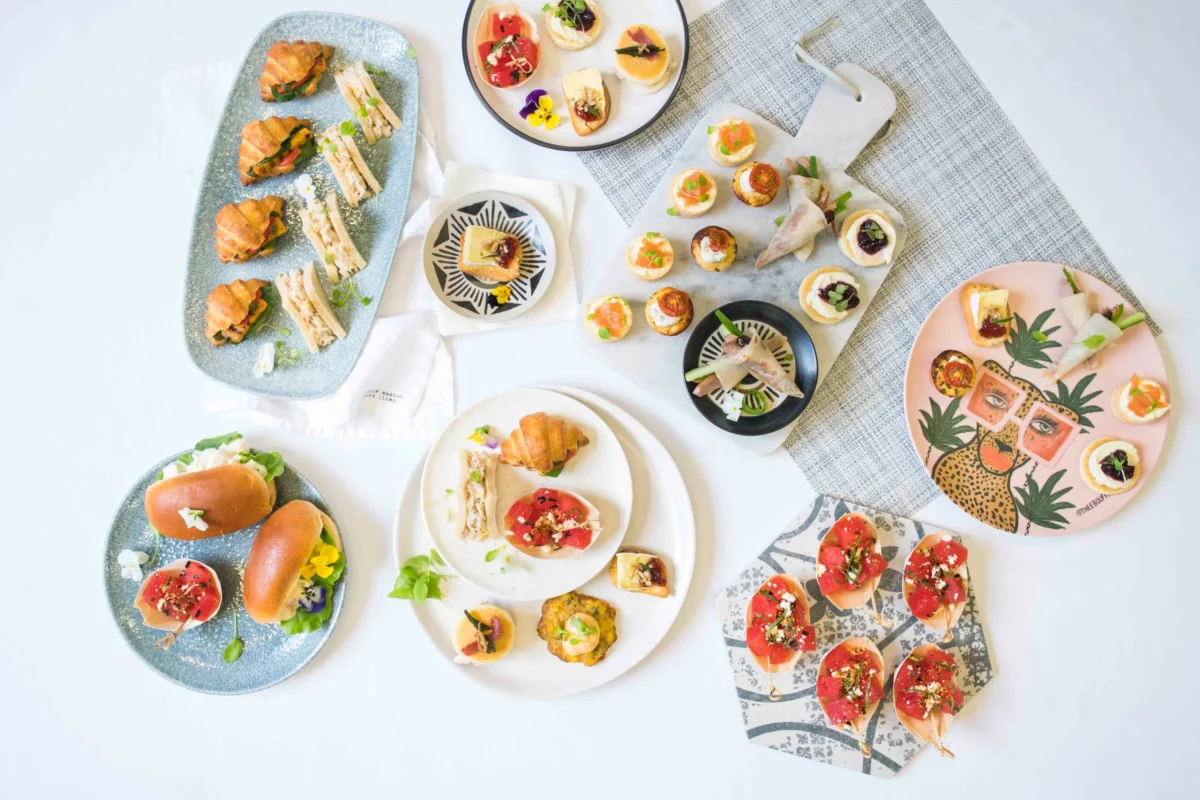
The Art of Flavor: Mastering the Culinary Canvas

Introduction & Background
Every dish tells a story, a silent conversation between the chef, the ingredients, and the palate of those who taste it. At the heart of this dialogue lies the art of flavor, a delicate balance of taste, aroma, and texture that transforms food from mere sustenance into an unforgettable experience. Cooking is not just about following recipes. It is about understanding how ingredients interact, how heat transforms them, and how seasoning can elevate a dish from ordinary to extraordinary. This art has been perfected over centuries, with techniques passed down through generations and innovations that push the boundaries of culinary creativity. Whether you are a home cook experimenting in the kitchen or a professional chef crafting menus for the world’s finest restaurants, mastering the culinary canvas is a journey worth taking. It is about more than just taste. It is about creating moments, memories, and emotions through the universal language of food.
Concept & Overview
The art of flavor is the mastery of combining ingredients in such a way that each bite delivers a harmonious and satisfying experience. It begins with selecting the right components, fresh, seasonal, and high-quality produce forms the foundation. From there, understanding how flavors interact is crucial. Sweet balances bitter, acid cuts through richness, and umami deepens savory notes. This interplay is not random. It follows principles rooted in chemistry and culinary tradition. Techniques like layering flavors through sautéing, braising, or marinating allow chefs to build complexity. The culinary canvas is not limited to taste alone. Scent plays a powerful role, as aromas can evoke memories and set the stage for what is to come. Texture, too, is vital. A perfectly crisp crust on a roasted vegetable or a velvety smooth sauce can make the difference between a good dish and a great one. Ultimately, the art of flavor is about intention. Every spice, herb, and cooking method is a deliberate choice that contributes to the final composition.
Key Features & Highlights
- Balance of Tastes: A well-made dish achieves a balance between sweet, salty, sour, bitter, and umami. This equilibrium ensures that no single flavor overpowers the others, creating a harmonious eating experience.
- Layering of Flavors: Building flavors in stages, starting with the base, adding middle notes, and finishing with a bright accent, creates depth and complexity that keep the palate engaged.
- Understanding Ingredients: Knowing how ingredients behave under heat, their natural affinities, and their seasonal availability allows for smarter, more creative cooking.
- The Role of Aroma: Aromatic ingredients like garlic, citrus zest, and fresh herbs release volatile compounds that enhance the overall sensory experience, making food more appealing even before the first bite.
- Texture as a Tool: Contrasting textures, crispy, creamy, crunchy, tender, add dimension to a dish, making each mouthful interesting and satisfying.
- Seasoning with Intention: Salt is not just an afterthought. Proper seasoning at every stage of cooking, from searing to finishing, ensures that every bite is flavorful.
Frequently Asked Questions / Pros & Cons
Why is flavor balance so important in cooking?
Flavor balance is the cornerstone of great cooking because it ensures that no single taste dominates the dish. When flavors are out of balance, even the most expensive ingredients can fall flat. For example, too much salt can make a dish inedible, while too little can leave it bland. Achieving balance means tasting as you go, adjusting seasoning gradually, and being mindful of the overall profile you aim to create.
Can you develop a better palate for flavors over time?
Absolutely. Like any skill, tasting and identifying flavors improves with practice. Start by tasting ingredients raw to understand their fundamental tastes. Then, experiment with simple combinations to see how flavors interact. Keep a flavor journal to note what works and what doesn’t. Over time, your ability to discern subtle differences and create balanced dishes will sharpen significantly.
What are the biggest mistakes beginners make when trying to master flavor?
One of the most common mistakes is over-seasoning early in the cooking process. Salt, in particular, should be added gradually to avoid making a dish too salty to fix later. Another mistake is ignoring acidity. Many beginners focus only on salt and pepper, forgetting that a splash of lemon juice or vinegar can brighten and lift a dish. Finally, underestimating the importance of fresh ingredients can lead to flat, uninspired flavors.
How do professional chefs consistently create well-balanced dishes?
Professional chefs rely on a few key principles. They taste continuously throughout the cooking process, adjusting seasoning as needed. They also use mise en place, preparing and measuring ingredients before cooking begins to ensure nothing is forgotten. Additionally, they often work with classic flavor pairings that have stood the test of time, using these as a foundation before adding their own creative touches.
Is it necessary to follow recipes exactly, or can intuition play a role?
While recipes provide a valuable roadmap, intuition is what transforms good cooks into great ones. Once you understand the fundamentals, how heat affects ingredients, how flavors interact, and how to balance tastes, you can begin to improvise. Intuition allows you to make substitutions based on what’s available or to adjust seasoning to suit your personal preference. However, intuition should be built on a strong foundation of knowledge.
Practical Guidance & Solutions
Mastering the art of flavor begins with a few foundational habits that anyone can adopt. Start by investing in high-quality ingredients. Fresh herbs, ripe fruits, and properly sourced proteins make a significant difference in the final dish. Taste everything as you go. This simple habit ensures you catch any imbalances early. For example, if a soup tastes flat, a squeeze of lemon can often revive it. If a sauce is too sweet, a pinch of salt or a dash of vinegar can restore harmony.
When building a dish, think in layers. Begin with a flavor base, such as sautéed onions or garlic, which adds depth. Next, incorporate middle notes like herbs, spices, or umami-rich ingredients such as soy sauce or mushrooms. Finally, finish with a bright accent, like a squeeze of citrus or a sprinkle of fresh herbs. This approach creates complexity without overwhelming the palate.
Don’t be afraid of acid. Many home cooks overlook its power to balance rich or fatty dishes. A splash of vinegar in a braise or a squeeze of lime over a grilled dish can make flavors sing. Similarly, salt should be used thoughtfully. Season in stages, after sautéing, after adding liquid, and just before serving, to build flavor gradually.
Lastly, keep learning. Read cookbooks by renowned chefs, watch culinary videos, and experiment with new ingredients. Attend a cooking class or host a dinner where guests bring dishes to share and discuss. The more you expose yourself to different flavors and techniques, the more confident you will become in your ability to craft dishes that are not just edible, but truly memorable.
Conclusion
The art of flavor is not reserved for elite chefs or culinary geniuses. It is a skill accessible to anyone willing to pay attention, taste deliberately, and embrace the process of discovery. Every meal is an opportunity to paint on the culinary canvas, to blend tastes, textures, and aromas into something uniquely your own. Whether you are perfecting a family recipe or inventing a new dish, remember that great cooking is not about perfection. It is about passion, curiosity, and the joy of sharing good food with others. So pick up that knife, fire up the stove, and begin your journey. The canvas is waiting, and the flavors are yours to master.