The Alchemy of Flavors: Where Art Meets the Plate

The Alchemy of Flavors: Where Art Meets the Plate
In the quiet hum of a kitchen, where the scent of simmering spices mingles with the sizzle of a hot pan, something magical happens. It’s not just cooking—it’s alchemy. The transformation of simple, raw ingredients into a dish that dances on the palate, evokes memories, and sparks joy, is nothing short of artistic alchemy. This is where culinary artistry meets the plate, where flavors are not merely combined but orchestrated into an experience that transcends the ordinary.
The art of flavor alchemy is both ancient and ever-evolving. It draws from tradition, innovation, and intuition, blending the technical precision of science with the boundless creativity of imagination. Whether you’re a professional chef crafting a Michelin-starred masterpiece or a home cook conjuring comfort on a Tuesday evening, the principles remain the same: balance, contrast, and harmony. But how does one achieve this culinary magic? Let’s explore the layers of this delicious alchemy.
The Foundation: Understanding Flavor
Before a chef can create, they must first understand. Flavor is not a single note but a symphony of sensations—sweet, salty, sour, bitter, and umami—each playing its part in harmony. Yet, flavor is also deeply personal, shaped by culture, experience, and even genetics. What one person finds irresistibly savory, another might find overly pungent. This subjectivity is what makes culinary artistry so fascinating.
To master flavor alchemy, chefs study the fundamentals:
- Primary Tastes: The five basic tastes—sweet, salty, sour, bitter, and umami—are the building blocks. Each plays a role in creating depth and complexity.
- Mouthfeel: Texture matters just as much as taste. Creamy, crunchy, silky, or crispy—these elements add another dimension to the dining experience.
- Aromas: Scent is responsible for up to 90% of what we perceive as flavor. Herbs, spices, roasting, and fermentation all release aromas that elevate a dish.
- Taste Pairings: Certain ingredients naturally complement each other, like tomatoes and basil or chocolate and orange. Understanding these affinities helps in creating balanced dishes.
Chefs often start with a flavor profile they want to achieve—say, a bright, citrusy note balanced with earthy umami—before selecting ingredients that will bring that vision to life. It’s a puzzle where every piece must fit just right.
The Alchemy: Transforming Ingredients
The true magic of flavor alchemy lies in transformation. Raw ingredients, when exposed to heat, acid, fermentation, or time, undergo profound changes. A humble carrot, when caramelized, becomes sweet and tender; raw garlic, when roasted, turns mellow and nutty. These reactions are the chef’s tools, allowing them to coax out hidden depths in even the most unassuming ingredients.
Consider the Maillard reaction, the chemical process responsible for the golden-brown crust on a perfectly seared steak or the complex flavors in a well-baked loaf of bread. It’s a dance of heat and protein that creates new, savory compounds. Or take fermentation, which unlocks the umami-rich depth of soy sauce, miso, or kombucha. Even the simplest act of salting can draw out moisture, concentrate flavors, and tenderize meat.
Here are some key techniques that chefs use to transform ingredients:
- Searing and Browning: Creates rich, savory flavors through the Maillard reaction.
- Braising and Braising: Slow-cooking in liquid develops deep, integrated flavors in tough cuts of meat.
- Fermentation: Introduces beneficial bacteria that break down compounds, enhancing umami and creating tangy, complex flavors.
- Reduction: Concentrates flavors by evaporating liquid, intensifying the taste of sauces and broths.
- Infusion: Steeping herbs, spices, or aromatics in oil, vinegar, or alcohol extracts their essence into the liquid.
Each technique is a step in the alchemical process, turning the ordinary into something extraordinary.
The Artist’s Palette: Ingredients as Medium
Just as a painter selects brushes and paints, a chef chooses ingredients as their medium. The best chefs treat ingredients with reverence, understanding their seasons, origins, and potential. A ripe tomato in peak summer can stand alone as a dish, while a winter squash might need the warmth of cinnamon and nutmeg to shine. The ingredients themselves guide the creation, whispering their secrets to those who listen.
Sustainability and seasonality are increasingly important in modern cuisine. A chef who sources ingredients locally and at their peak ensures not only the best flavor but also a lighter footprint on the planet. This approach encourages creativity—when you can’t rely on out-of-season produce, you learn to make the most of what’s available. Think of a winter salad where roasted beets and goat cheese replace summer’s strawberries and basil, or a dessert where spiced apples take center stage over fresh berries.
Globalization has also enriched the culinary palette, allowing chefs to blend flavors from distant lands into their dishes. Moroccan tagines might find their way into a Parisian bistro, while Japanese umami techniques inspire a New York chef’s dish. This cross-pollination of cultures has led to some of the most exciting culinary innovations of our time.
The Finishing Touch: Presentation and Experience
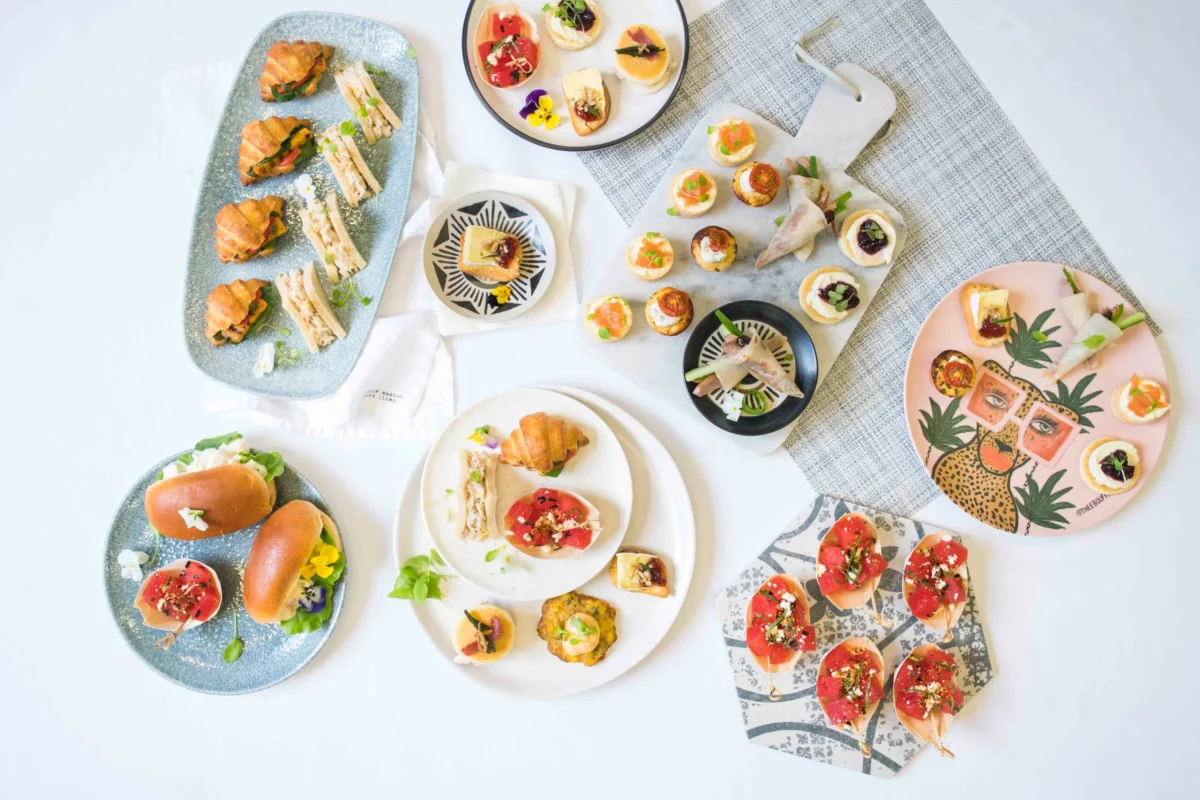
Flavor alchemy doesn’t end with taste—it extends to the visual and emotional experience of a dish. The way a meal is presented can elevate it from delicious to unforgettable. A vibrant drizzle of sauce, a sprinkle of fresh herbs, or the careful arrangement of components on the plate all contribute to the diner’s perception. Even the choice of serving ware—a rustic wooden board, a delicate porcelain plate, or a sleek modern vessel—can set the tone.
Chefs often consider the following when plating a dish:
- Color Contrast: A pop of green parsley against a red sauce or golden-brown crust makes the dish visually appealing.
- Height and Texture: Stacking ingredients or playing with crunchy, creamy, and smooth elements adds depth to the plate.
- Negative Space: A well-plated dish doesn’t need to cover every inch of the plate. Sometimes, restraint enhances the beauty of the food.
- Garnishes with Purpose: Edible flowers, microgreens, or a drizzle of oil should enhance, not distract from, the dish.
But presentation is more than just aesthetics—it’s about storytelling. A dish should invite the diner to engage with it, to wonder about the ingredients, the technique, and the inspiration behind it. The best chefs craft not just a meal, but an experience that lingers long after the last bite.
The Role of Intuition and Experimentation
While technique and knowledge are essential, the most transcendent moments in cooking often come from intuition. A chef might start with a recipe, but the magic happens when they trust their instincts—adding a pinch more salt, reducing the heat at the last moment, or tasting a dish and knowing it needs something more. This is where art meets science: the trained palate meets the creative impulse.
Experimentation is the lifeblood of culinary alchemy. Some of the greatest dishes in history were born from happy accidents or bold risks. The French chef Auguste Escoffier, known as the father of modern French cuisine, revolutionized cooking by systematizing techniques but also encouraged creativity within those frameworks. Similarly, modern chefs like Ferran Adrià of El Bulli fame pushed the boundaries of what food could be, using techniques like spherification and foams to create edible art.
At home, experimentation can be just as rewarding. Try swapping an ingredient you usually use for something new—perhaps smoked paprika instead of sweet, or a splash of vinegar to brighten a dish. Keep a journal of your experiments, noting what works and what doesn’t. Over time, you’ll develop a deeper understanding of how flavors interact and how to trust your palate.
The Human Connection: Sharing the Alchemy
Ultimately, the alchemy of flavors is about connection. Whether it’s a chef cooking for a crowd, a family gathering around a holiday table, or friends sharing a meal at a cozy restaurant, food has the power to bring people together. It’s a universal language that transcends borders and cultures, a way to express love, celebration, and comfort.
In many ways, cooking is an act of love. It requires time, patience, and often a bit of sacrifice—whether it’s waking up early to bake bread or spending hours perfecting a sauce. But the reward is in the smiles around the table, the shared stories, and the memories created. The alchemy of flavors is not just about the dish itself; it’s about the people who gather to enjoy it.
Embracing Your Inner Alchemist
You don’t need a professional kitchen or a Michelin star to practice the alchemy of flavors. Whether you’re a seasoned home cook or just starting out, you can begin your own culinary journey today. Start with a simple recipe and pay close attention to the ingredients. Taste as you go, and don’t be afraid to tweak things. Keep a notebook of your experiments, and don’t shy away from failure—it’s often the best teacher.
Remember, the goal isn’t perfection; it’s joy. Joy in the process of creating, in the discovery of new flavors, and in the act of sharing. So light a candle, put on some music, and let your kitchen become your laboratory of delicious alchemy. Who knows? You might just stumble upon a flavor combination that feels like pure magic.
In the end, the alchemy of flavors is a reminder that art and science, tradition and innovation, and individuality and connection can all coexist in harmony. It’s a celebration of the senses, a tribute to the ingredients, and a testament to the power of human creativity. So go ahead—grab your apron, pick up your spoon, and start transforming. The plate is waiting.