Savor the Art: Mastering the Canvas of Flavors in Culinary Creations

Introduction: The Intersection of Art and Cuisine
Food is more than sustenance; it is an expression of culture, creativity, and craftsmanship. Just as a painter blends colors on a canvas, a chef composes flavors, textures, and aromas to create a culinary masterpiece. The art of cooking is a dynamic fusion of tradition and innovation, where every ingredient plays a role in shaping the final experience. In this journey of culinary exploration, we delve into the principles that elevate dishes from mere meals to unforgettable experiences. Whether you are a home cook or a professional chef, understanding the canvas of flavors can transform your kitchen into an atelier of taste.
The Palette of Flavors: Understanding the Basics
Before mastering the canvas of flavors, it is essential to recognize the fundamental components that make up a dish. Just as a painter relies on primary colors, a chef builds dishes around primary flavors: sweet, salty, sour, bitter, and umami. Each of these tastes serves a purpose, whether to balance, contrast, or harmonize. For instance, acidity from lemon can cut through richness, while salt enhances the natural flavors of ingredients. By understanding these basics, you gain the ability to orchestrate complex flavor profiles with confidence.
Layering Flavors for Depth
Depth in flavor is achieved through layering, much like the gradual buildup of colors in a painting. Start with a base flavor, such as the caramelized onions in a French onion soup or the toasted spices in a Moroccan tagine. Next, introduce a secondary flavor, like the tangy tomatoes in a marinara sauce or the earthy mushrooms in a risotto. Finally, add a finishing touch, such as fresh herbs, a drizzle of balsamic glaze, or a sprinkle of flaky sea salt. This technique ensures that every bite is a symphony of tastes rather than a monotonous melody.
The Canvas: Techniques to Elevate Your Culinary Art
The techniques you employ in the kitchen serve as your brushstrokes, shaping the final composition of your dish. From searing and braising to emulsifying and plating, each method contributes to the overall experience. For example, the Maillard reaction—responsible for the golden-brown crust on a perfectly seared steak—adds both flavor and visual appeal. Similarly, slow cooking can transform tough cuts of meat into tender, succulent bites, while reducing sauces intensifies their richness. Mastering these techniques allows you to manipulate ingredients with precision, turning raw materials into edible art.
Mastering the Art of Plating
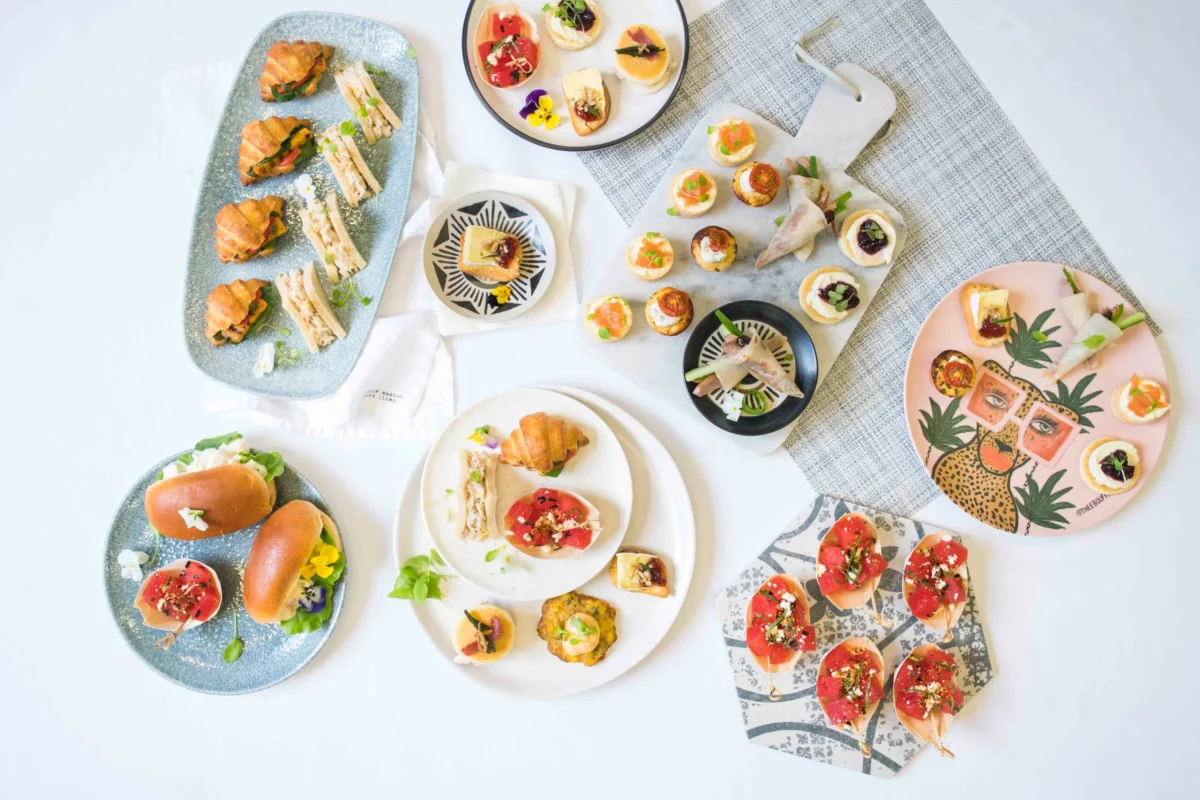
Plating is where culinary artistry meets visual appeal. A well-plated dish should be as pleasing to the eye as it is to the palate. Start by considering the plate as your canvas—choose one that complements the colors and textures of your dish. Use the rule of thirds to place elements strategically, ensuring balance and focus. For example, a drizzle of sauce can lead the eye, while a sprinkle of microgreens adds a pop of color and freshness. Remember, the goal is to create harmony, not clutter. A minimalist approach often speaks volumes, allowing the ingredients to shine without distraction.
The Ingredients: Building Blocks of Culinary Creativity
The quality and selection of ingredients are the foundation of any great dish. Fresh, seasonal produce not only tastes better but also inspires creativity. For instance, a summer tomato burst with sweetness and acidity can inspire a simple Caprese salad, while winter squash’s natural sweetness lends itself to hearty soups and roasted sides. Similarly, high-quality proteins, artisanal cheeses, and artisanal breads can elevate a dish from ordinary to extraordinary. Investing in the best ingredients ensures that your culinary canvas is rich with potential.
Exploring Global Ingredients
One of the most exciting aspects of culinary artistry is the opportunity to explore ingredients from around the world. A trip to an Asian market might introduce you to the umami-rich miso paste or the fragrant lemongrass, while a Mediterranean deli could offer sun-dried tomatoes or preserved lemons. These global ingredients can add depth and complexity to your dishes, inspiring fusion creations that blend traditions. For example, incorporating Japanese techniques like sous-vide with French ingredients can result in a uniquely innovative dish. The key is to approach these ingredients with curiosity and respect, learning how to integrate them thoughtfully into your cooking.
Creating Harmony: Balancing Flavors and Textures
A truly memorable dish is more than just a collection of flavors; it is a carefully balanced composition where each element plays a distinct role. Harmony in cooking is achieved by considering not only taste but also texture, temperature, and even color. For instance, a crispy fried chicken wing pairs beautifully with a creamy coleslaw, as the contrast in textures enhances the overall experience. Similarly, a chilled soup like gazpacho benefits from the addition of diced vegetables for crunch, balancing the smoothness of the base. By thoughtfully pairing textures and temperatures, you create a multi-sensory experience that captivates the diner.
The Role of Temperature in Flavor Perception
Temperature plays a subtle yet significant role in how we perceive flavors. Warm dishes often taste richer and more comforting, as heat releases aromatic compounds that heighten our sense of smell. On the other hand, cold dishes can highlight freshness and crispness, making them ideal for salads or ceviche. Consider serving a velvety soup alongside a cool, creamy accompaniment, or offering a warm chocolate fondant with a scoop of ice cream. These temperature contrasts create dynamic interactions on the palate, making each bite an adventure.
The Art of Pairing: Wine, Beverages, and Dishes
No culinary experience is complete without thoughtful beverage pairings. Just as a painter selects a frame to complement a painting, a chef or host can choose drinks that enhance the flavors of a meal. Wine, in particular, has a unique ability to elevate a dish by either mirroring or contrasting its flavors. For example, a buttery Chardonnay pairs beautifully with rich, creamy dishes like lobster bisque, while a crisp Sauvignon Blanc complements lighter fare such as grilled fish or a citrusy ceviche. Beyond wine, consider non-alcoholic options like sparkling water with citrus, or artisanal teas that complement the herbal notes in a dish. The right pairing can transform a meal from enjoyable to extraordinary.
- Red Wine Pairings: Bold reds like Cabernet Sauvignon or Malbec pair well with hearty meats like steak or lamb.
- White Wine Pairings: Crisp whites such as Pinot Grigio or Riesling work beautifully with seafood and poultry.
- Beer Pairings: Lagers and pilsners cleanse the palate, making them ideal for fried foods, while stouts complement rich, dark sauces.
- Non-Alcoholic Pairings: Infused sparkling water, craft sodas, or herbal teas can offer refreshing alternatives.
From Kitchen to Table: Sharing Your Culinary Masterpiece
The final step in mastering the canvas of flavors is sharing your creations with others. Food is inherently social, and the act of serving a meal is an opportunity to connect with those around you. Whether it’s a simple family dinner or an elaborate dinner party, the way you present your dish can enhance the experience. Consider the setting—soft lighting and a beautifully set table can elevate the ambiance, while background music sets the mood. Encourage guests to savor each bite, and don’t be afraid to share the story behind your dish, whether it’s the inspiration, the ingredients, or the technique. After all, the art of cooking is not just about the final product; it’s about the joy of creation and the memories shared around the table.
Conclusion: Your Culinary Journey Awaits
The world of culinary artistry is vast and ever-evolving, offering endless possibilities for exploration and creativity. By understanding the fundamentals of flavor, mastering techniques, and embracing global ingredients, you can transform your kitchen into a canvas where flavors come to life. Remember, the journey is as important as the destination—each dish you create is an opportunity to learn, experiment, and grow. So, pick up your “brushes” (or spatulas), gather your ingredients, and start painting your masterpiece. The art of cooking is not reserved for professionals; it is a celebration of life, one meal at a time.